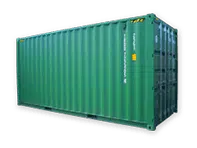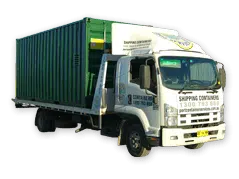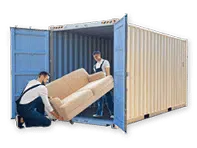

When it comes to purchasing or renting shipping containers, making the right decision involves weighing several important factors. Whether you’re looking for storage solutions or customized units for a specific project, understanding your options can help you choose the best container for your needs.
Pros and Cons of Buying vs. Renting a Shipping Container
Buying a Shipping Container
Pros:
- Long-Term Investment: Buying is more cost-effective if you need the container for an extended period.
- Customization: Owned containers can be modified to suit specific needs, such as adding windows or insulation.
- Asset Ownership: The container can be resold or reused for different purposes.
Cons:
- Higher Initial Cost: Buying requires a significant upfront investment.
- Maintenance Responsibility: Owners must handle all maintenance and repair costs.
- Storage Space: You need space to store the container when it’s not in use.
Renting a Shipping Container
Pros:
- Lower Initial Cost: Renting is less expensive upfront.
- Flexibility: Renters can change container sizes or types as needed.
- No Maintenance Hassles: The rental company usually handles maintenance and repairs.
Cons:
- Ongoing Costs: Monthly rental fees can add up over time.
- Limited Customization: Rental containers often cannot be modified.
- Availability: Desired container types may not always be available for rent.
The Right Size and Type of Shipping Container for Your Needs

Choosing the correct size and type of container is crucial. Here’s a breakdown of common sizes and their uses:
Common Sizes
Types of Containers
Understanding Shipping Container Grades and Conditions
Shipping containers come in various grades, indicating their condition and suitability for different purposes:
Cost Considerations: Buying vs. Renting, Including Delivery and Maintenance

Buying Costs
Renting Costs
Regulations and Permits Required for Using Shipping Containers
Before using shipping containers, especially for long-term or modified applications, ensure compliance with local regulations:
Safety Considerations for Shipping Containers
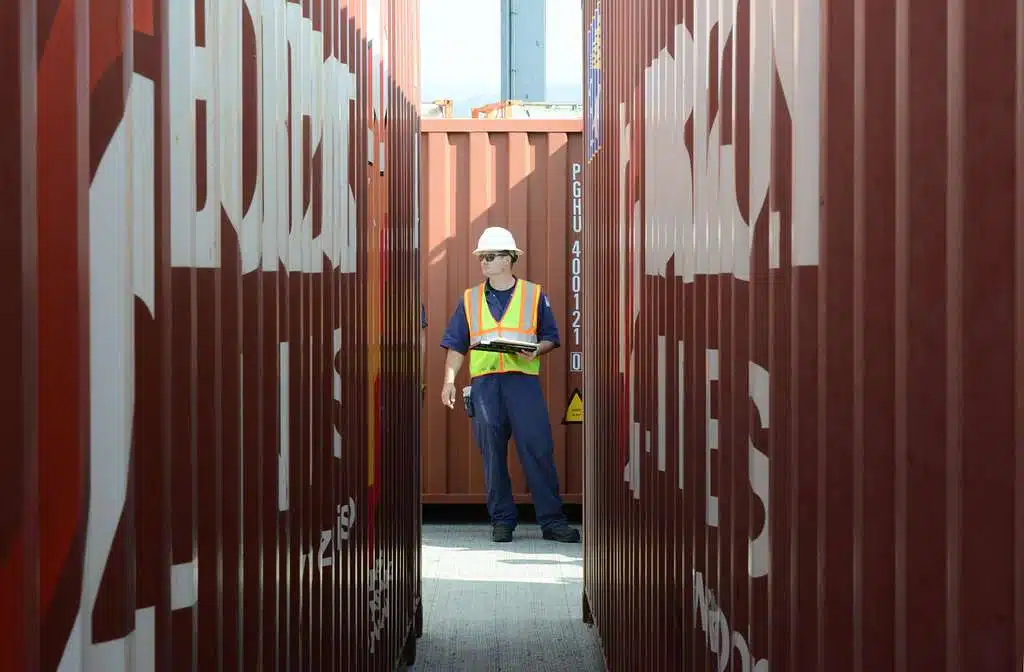
Ensuring safety when using shipping containers involves several key aspects:
Let Port Shipping Containers Be Your Container Solution
Whether buying or renting a shipping container, consider factors such as cost, size, type, condition, and regulations to ensure you make the best decision for your needs. Port Shipping Containers offers a comprehensive range of high-quality containers with customizable options and clear, upfront pricing. Contact us today for a quote or to learn more about how we can meet your container needs.
3-Step Process:
- 1
Contact Us: Reach out via phone or email to discuss your container needs.
- 2
Get a Quote: Receive a detailed quote with all costs included.
- 3
Delivery: Arrange fast and reliable delivery to your site.